
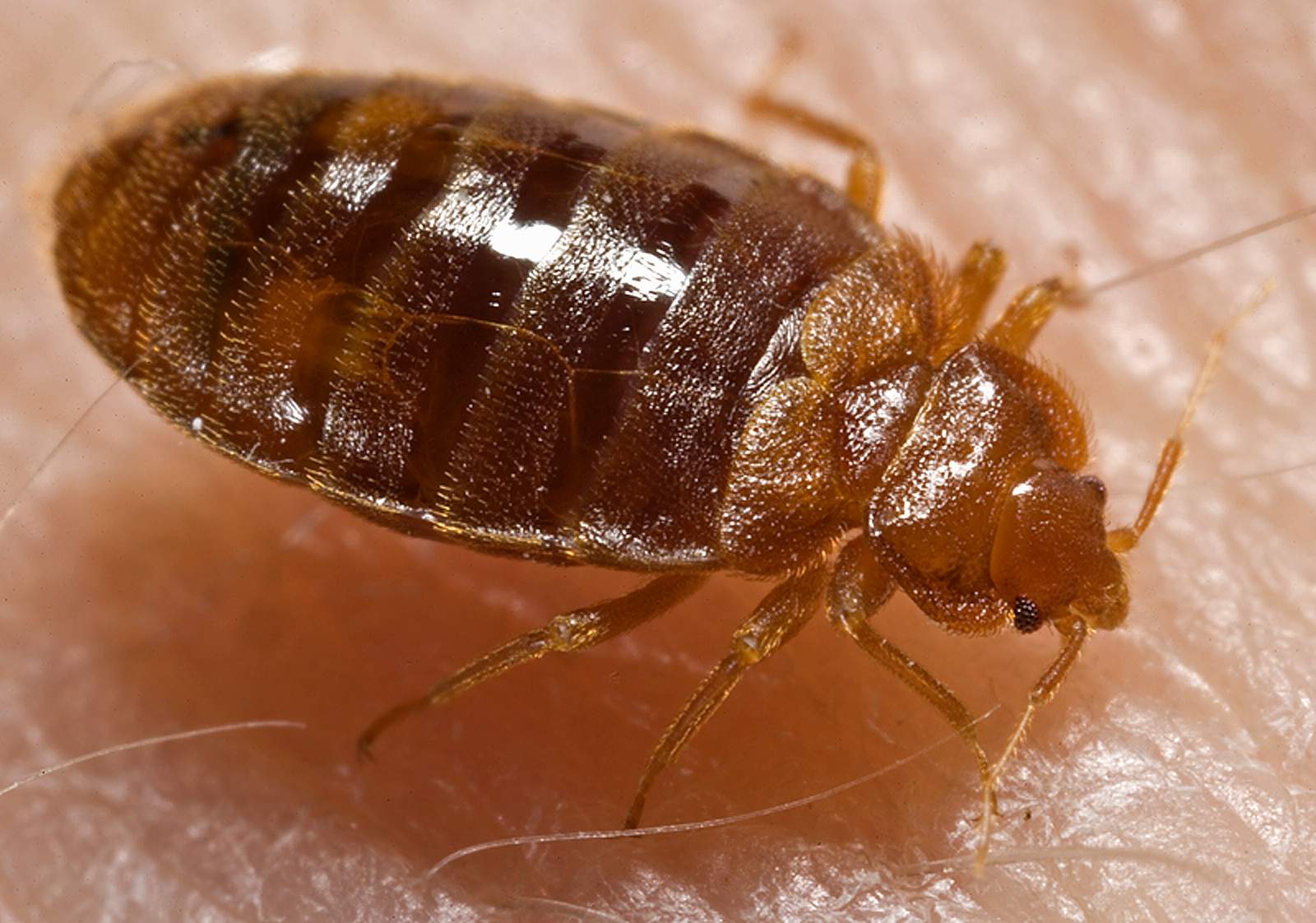

Bed bugs, scientifically known as Cimex lectularius, are small, wingless insects that have become notorious pests in households across the globe. Their ability to adapt to human environments and their resilience to various control measures make them particularly challenging to exterminate. Therefore, understanding the behavior of bed bugs is crucial for devising effective extermination strategies.
The Biology and Behavior of Bed Bugs
Bed bugs are parasitic insects that feed exclusively on blood. Their flattened bodies allow them to hide in small crevices, making them difficult to detect. They are primarily nocturnal, emerging from their hiding spots at night to feed on unsuspecting hosts. The warmth and carbon dioxide produced by humans while sleeping attract these pests, which can lead to irritating bites and sleepless nights.
A female bed bug can lay hundreds of eggs in her lifetime, leading to rapid population growth if not addressed promptly. The lifecycle of a bed bug includes egg, nymph, and adult stages, with each stage requiring a blood meal to progress. This feeding behavior and lifecycle complexity underscore the importance of timely and effective pest control measures.
Understanding Bed Bug Infestation Patterns
Bed bugs tend to congregate in areas where their hosts spend the most time, such as beds, couches, and other furniture. However, as their numbers increase, they will spread to other parts of the home, including cracks in walls, electrical outlets, and even behind wallpaper. Understanding these infestation patterns is vital for targeting them effectively.
Visual inspections are often the first step in identifying a bed bug problem. Look for signs such as small, rust-colored stains on bedding, shed skins, and the insects themselves. However, due to their elusive nature, professional pest control services are recommended for a thorough evaluation and treatment.
Effective Extermination Strategies
Successful bed bug extermination often requires a combination of chemical and non-chemical methods. Chemical treatments involve the use of insecticides, which must be carefully applied to avoid health risks and ensure effectiveness. Non-chemical methods include heat treatment, vacuuming, and the use of mattress encasements to trap and kill bed bugs.
Integrated Pest Management (IPM) is an approach that combines multiple tactics to control bed bug populations effectively. This strategy emphasizes prevention, monitoring, and control, reducing the reliance on chemical treatments alone. IPM involves sealing entry points, reducing clutter, and maintaining cleanliness to prevent bed bugs from establishing themselves in the first place.
For residents dealing with persistent infestations, seeking professional assistance is often the best course of action. Services such as Pest control Huntsville Alabama offer expert evaluations and tailor treatment plans to address specific infestations, ensuring a comprehensive approach to bed bug extermination.
Conclusion
Understanding bed bug behavior is key to developing effective extermination strategies. By recognizing their biology, infestation patterns, and integrating various control methods, individuals and pest control professionals can work together to successfully eradicate these stubborn pests. With vigilance and the right approach, bed bugs can be effectively managed, restoring comfort and peace of mind to affected households.