
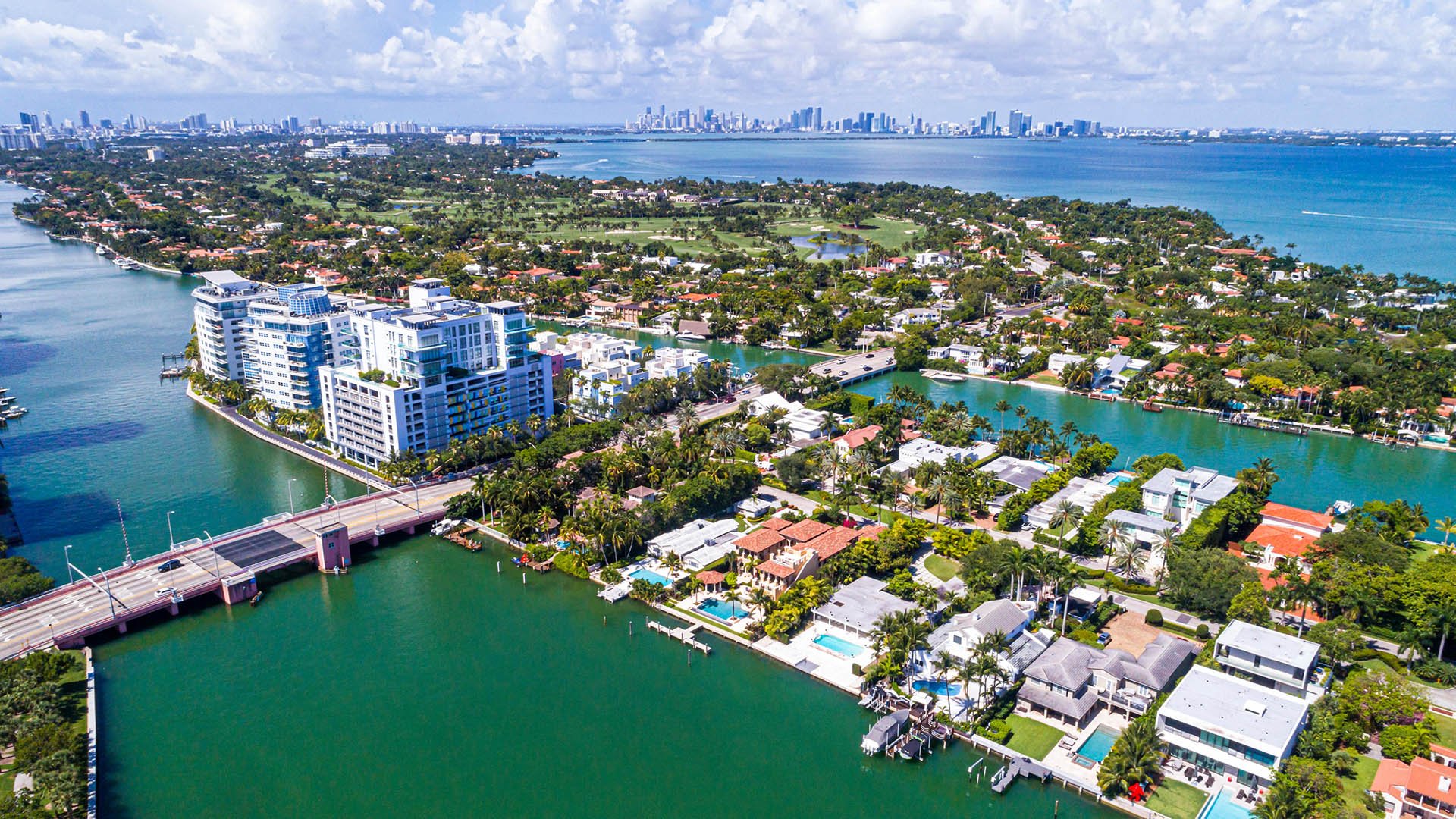

Buying near the coast in Delray Beach, Gulf Stream, Highland Beach, and nearby Palm Beach County communities is about far more than finding the right floor plan. Ocean proximity, boating access, traffic patterns, building upkeep, and carrying costs can differ sharply within a short drive. Buyers considering luxury homes, waterfront estates, new construction, or lock-and-leave condominiums can benefit from the local search tools and neighborhood perspective offered by Delray Beach real estate agent Renee Strack. Renee Strack specializes in South Florida luxury real estate, including oceanfront, Intracoastal, and Palm Beach County properties, with resources for home searches, valuations, new developments, and neighborhood research.
The best coastal neighborhood is the one that works on an ordinary Tuesday, not only during a sunny weekend showing. A home may have impressive finishes and water views, but it can still be the wrong choice if the daily drive, street activity, association restrictions, or maintenance obligations do not suit the owner’s plans.
Why the Neighborhood Matters as Much as the Home
South Florida coastal living offers several distinct experiences. East Delray can appeal to buyers who want beach access and restaurants nearby. Gulf Stream may be a better fit for buyers seeking a quieter, lower-density setting. Highland Beach offers a coastal corridor with both condominium and single-family options. Intracoastal and canal-front streets can be especially attractive to boat owners, but access conditions should be verified on a property-by-property basis.
Visit finalists at different times of day. Drive the route to grocery stores, medical care, restaurants, golf, schools, major roads, and airports. Notice weekday traffic, weekend parking, construction activity, lighting, and how the area feels after dark. This practical testing often reveals more than a short daytime tour.
Start With a Clear Buying Profile
Before comparing addresses, define the role the property will play in your life. A full-time household, a seasonal retreat, and an investment property can require very different locations and ownership structures.
- Decide whether the home will be full-time, seasonal, occasional-use, or rental-oriented.
- Set a total monthly and annual ownership budget that includes taxes, insurance, utilities, maintenance, and association fees where applicable.
- List true nonnegotiables, such as a private dock, elevator, pool, guest suite, gated entry, beach access, or walkable dining.
- Choose a preferred property type: condominium, townhome, single-family home, estate, or new construction.
- Rank lifestyle priorities, including privacy, social activity, water access, convenience, and low-maintenance ownership.
Compare Coastal Neighborhood Profiles
Walkable Beach and Downtown Areas
These areas suit buyers who want to access dining, shops, events, and the beach without having to plan every outing around a car. The trade-off can be more activity, smaller lots, closer neighbors, limited private parking, and seasonal traffic. Ask whether the street remains comfortable as visitor and event activity increases.
Waterfront and Boating Communities
Waterfront ownership requires a more detailed review than a water view. Confirm the waterway connection, bridge clearances, navigable depth, dock configuration, permits, seawall condition, and maintenance responsibility. A canal-front home is not automatically an easy fit for every vessel or boating routine.
Gated and Lower-Density Communities
These settings can offer quieter streets, larger homes, and greater privacy. Review association fees, guest-access procedures, architectural rules, landscaping standards, rental restrictions, and any planned development nearby. A community’s rules may protect its character, but they can also limit future renovations or leasing plans.
High-Rise and Resort-Style Buildings
Condominiums can simplify exterior maintenance and provide amenities, security, and views. They also require close attention to the association. Florida buyers should request budgets, reserve information, meeting minutes, insurance details, inspection reports, pending assessments, and rental policies. The state’s condominium records and financial-reporting guidance provide useful context for the documents that owners and prospective buyers should understand.
Build a 2026 Neighborhood Scorecard
Use a one-to-five score for each category, then add notes explaining the score. The goal is not mathematical perfection. It is a consistent way to compare several communities.
- Daily convenience: How quickly can you reach work, shopping, dining, healthcare, the beach, and major roads?
- Lifestyle fit: Does the setting support boating, walking, entertaining, privacy, or outdoor time?
- Ownership cost: What do insurance, taxes, association dues, landscaping, pool care, utilities, and repairs add?
- Property condition: Are the roof, windows, mechanical systems, seawall, dock, elevators, pool, and common areas well maintained?
- Resale flexibility: Would the property appeal to a broad enough pool of future buyers?
- Personal comfort: Does the location feel right during a normal weekday as well as a showing?
Review Insurance and Flood Exposure Early
Request insurance estimates before submitting an offer whenever possible. Coverage availability and premiums can materially affect the total cost of ownership, particularly for older homes and coastal properties. Review the flood zone, elevation documentation when available, roof age, impact protection, prior claims, drainage, and storm-related repairs. The National Flood Hazard Layer is a useful starting point for identifying mapped flood hazards, but it should not replace guidance from an insurance professional, surveyor, or qualified inspector.
For waterfront homes, include seawalls, docks, lifts, pilings, permits, and water access in the inspection plan. For condominiums, examine master-policy deductibles, reserves, planned capital work, recent assessments, and board records.
Use Market Data Without Losing Local Context
A 2026 market review should focus on the specific neighborhood and property category you are considering. Compare recent closed sales, price per square foot, days on market, active inventory, price reductions, list-to-sale ratios, and sales volume for similar homes. Separate beachfront, Intracoastal, downtown, gated, and inland results whenever possible. Citywide averages can blur the differences between a renovated ocean-area home, a dock-ready canal property, and a high-rise residence with extensive amenities.
Questions and Documents to Request Before an Offer
- What does traffic look like during morning and evening rush periods?
- Are nearby homes being renovated, replaced, or developed?
- Could future construction affect views, privacy, parking, or noise?
- What recent comparable sales support the price?
- Can the seller provide insurance, flood, roof, HVAC, seawall, dock, and permit records?
- For an association, are budgets, reserve studies, meeting minutes, rules, and pending assessments available for review?
- Do rental, pet, parking, guest, and renovation rules fit your plans?
A Simple Decision Process
- Select three to five neighborhoods that meet your lifestyle priorities.
- Visit each more than once, including during busy and quiet periods.
- Collect realistic estimates for insurance, taxes, dues, maintenance, and improvements.
- Compare recent sales and current listings that closely match the property type.
- Score every area using the same categories.
- Review the strongest options with qualified inspection, insurance, lending, and real estate professionals before committing.
Conclusion
A confident South Florida coastal purchase begins with neighborhood due diligence. Look beyond square footage and the asking price to test the daily experience, evaluate ownership costs, inspect waterfront or building-specific risks, and carefully compare market evidence. The right neighborhood should support the way you want to live now while remaining a practical property to own and eventually resell.