


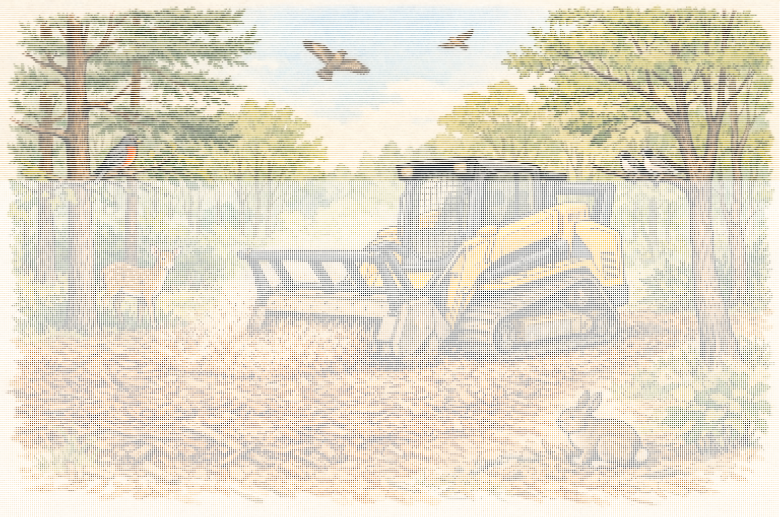


Forestry mulching is gaining wide recognition for transforming how land is managed. By turning thick vegetation and brush into on-site mulch, this process offers a sustainable alternative to standard land-clearing methods. Through forestry mulching, property owners benefit not only from a cleaner landscape but also from enhanced ecological health and cost savings.
Unlike burning or uprooting, mulching keeps the ecosystem intact. The natural mulch supports plant and animal habitats while returning nutrients to the soil. This eco-friendly method is being used on everything from residential lots to larger commercial properties as landowners seek efficient, effective land improvements.
Whether clearing a trail or preparing for development, forestry mulching is preferred for its minimal environmental disturbance and practical results. By using a specialized machine to cut and shred vegetation, unwanted growth is turned into a mat of organic material that naturally decomposes.
In addition to its environmental benefits, mulching is a process that can be tailored to diverse terrain, handling everything from small invasive shrubs to medium-sized trees. This flexibility makes it a popular solution for many landowners seeking responsible land use practices.
Enhancing Soil Health
Improving soil quality is a central outcome of forestry mulching. As trees and brush are converted into mulch, this organic carpet helps retain soil moisture and slowly releases important nutrients as it decomposes. The mulch acts as a natural fertilizer, increasing soil fertility and stimulating robust plant growth.
Over time, this layer of organic material helps repair compacted or degraded soils by supporting microbial activity and improving soil structure. Increased organic matter in the soil also improves water infiltration and reduces the risk of nutrient runoff. According to Angi, forestry mulching can improve soil health by replenishing nutrients, suppressing weed growth, and keeping the soil moist.
Effective Erosion Control
Soil erosion is a common challenge following traditional land clearing, which often strips away ground cover, leaving soil exposed to wind and rainfall. Forestry mulching mitigates this issue. The freshly laid mulch acts as a natural erosion barrier, holding soil in place during storms and inclement weather, reducing the loss of valuable topsoil and preventing sediment from entering waterways.
In areas prone to erosion—such as slopes, flood zones, and disturbed construction sites—mulching serves as a reliable protective measure. It ultimately saves time and resources that might be spent on post-clearing erosion remediation or restoration.
Promoting Native Vegetation
A crucial part of healthy land management is giving native plant species space to flourish. Forestry mulching targets dense undergrowth and invasive species, selectively clearing areas while preserving desirable vegetation. By reducing competition from aggressive non-native plants, native species get the sunlight and nutrients they need to return and thrive.
The mulch layer also suppresses subsequent weed growth, further minimizing the re-establishment of invasive species. As native plants recover, overall biodiversity increases, supporting a range of ecological benefits, as highlighted by the National Geographic biodiversity guide.
Preserving Wildlife Habitats
Unlike clearing processes that indiscriminately remove all vegetation, forestry mulching leaves larger trees and natural land contours undisturbed. This careful approach means that animals, birds, and beneficial insects retain the habitats and food sources they require. Maintaining ground and tree cover is especially important for species that shelter in woody debris or brush piles, which are often casualties of bulldozing or burning.
For properties aiming to balance development with conservation, mulching aligns with broader land stewardship goals while maintaining the integrity of local wildlife populations.
Cost-Effective Land Management
Forestry mulching streamlines several steps into a single operation: there is no need to haul away debris, stage multiple types of equipment, or pay additional landfill fees. Property owners benefit from lower overhead and reduced labor costs. The material stays on site as mulch without the added costs of transport or disposal.
This cost-effectiveness, combined with rapid results, makes forestry mulching a strong choice for development preparations, pasture reclamation, firebreak creation, and other land management projects.
Fire Risk Reduction
Overgrown brush and thick undergrowth can amplify wildfire danger by acting as excess fuel. Forestry mulching proactively addresses this risk by grinding up combustible material and redistributing it as a dense, moisture-holding layer. This mulch is less prone to ignition, reducing the chance of fire spreading quickly.
In regions susceptible to seasonal wildfires, this approach is especially valuable, offering peace of mind and contributing to safer landscapes.
Conclusion
Forestry mulching delivers an environmentally sound, efficient, and cost-effective approach to land clearing and ongoing management. Its benefits are wide-ranging, including improved soil structure, reduced erosion, stronger native vegetation, viable wildlife habitats, and lower operational costs. By adopting forestry mulching, landowners set a course for long-term land health and positive ecological outcomes.


