


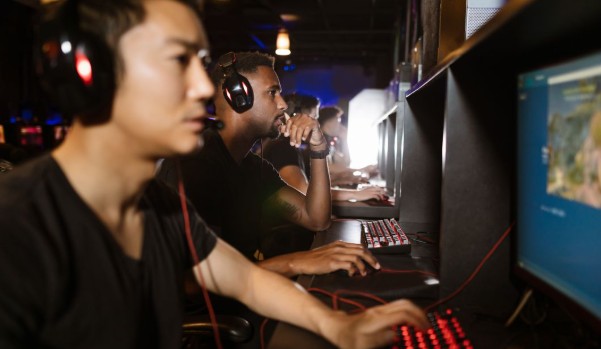


Why do so many people feel more connected in online games than in regular social feeds?
The answer is simpler than it sounds: games give people a shared task, a clear role, and a reason to talk right away. That mix changes how belonging works online. Instead of scrolling past each other, players act together, react fast, and build trust through repeated moments.
Online gaming is not just about playing for fun. It is also a place where people test identity, build friendships, and find groups that feel familiar. For many players, that sense of fit starts long before they ever meet face to face.
Shared Goals Create Fast Trust
Games bring people together through action, and that changes how social bonds form.
In many online spaces, conversation can feel awkward because there is no clear reason to talk. In games, the reason is built in. Players need to coordinate, solve problems, and react to each other in real time. That creates a direct kind of trust. You learn who listens, who stays calm, and who keeps showing up.
This matters because belonging often starts with predictability. If someone revives you, backs you up, or keeps a promise during a match, that small act says a lot. Repeated enough, those moments turn strangers into familiar names. For some people, that is the first time online interaction feels steady instead of random.
In spaces like slot8808, players often talk about the social side as much as the activity itself, since shared play creates easy conversation and a stronger sense of group identity.
Identity Feels More Flexible Online
Gaming also lets people show parts of themselves that may stay hidden elsewhere.
In everyday social media, people often feel pressure to post the right photo, the right opinion, or the right life update. Games work differently. A player can be quiet in person and confident in a team chat. Someone can be shy on video calls but sharp, funny, or supportive during play. That flexibility gives people room to be seen on their own terms.
For many, that is a relief. They are not only a profile or a comment thread. They are also a teammate, a strategist, a helper, or the person who keeps morale up when things go badly. Those roles matter because they give people ways to belong that are based on action, not just appearance.
It also helps explain why some groups form so quickly around specific interests. A player who starts with situs slot gacor may come for the activity, but stay for the social rhythm that grows around regular play and familiar voices.
Rituals Turn Groups Into Communities
Belonging gets stronger when people return to the same space often.
Online gaming creates rituals without making them feel formal. People log in at similar times, greet each other, repeat jokes, and remember what happened last session. Those little habits build continuity. They also make the space feel less like a one-time chat and more like a living group with memory.
This is one reason gaming communities can feel so personal. A player is not only known by skill level. They are known by patterns, stories, and the way they fit into the group. If someone disappears for a while, people notice. If they come back, the welcome can feel real and immediate.
That repeated contact also reduces the awkwardness that often comes with online belonging. Instead of trying to prove yourself from scratch, you grow into the group over time. That steady pace can be easier for people who struggle with fast social settings elsewhere.
Final Thoughts
Online gaming is changing belonging by making connections feel active, not passive. Gaming spaces can still have conflict, of course, but they also show something important: when people work toward the same goal, trust grows faster. When they return regularly, memory grows. And when they are free to take on different roles, more people have a place to fit in. That is why online gaming is reshaping what belonging looks like, one match, one chat, and one familiar voice at a time.


