
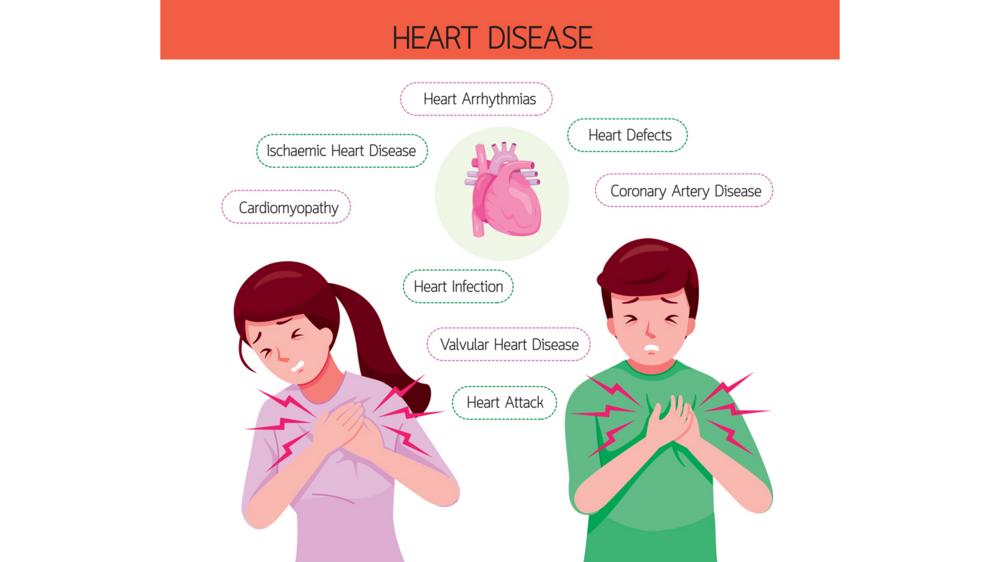

Arrhythmia, also known as dysrhythmia, refers to an irregular or abnormal heartbeat rhythm. Normally, the heart beats in a regular and coordinated pattern, pumping blood to the body’s various organs and tissues. In the case of arrhythmia, the heart’s electrical signals that control its rhythm are disrupted, leading to irregular heartbeats, which can be too fast (tachycardia), too slow (bradycardia), or irregular in their timing.
Arrhythmias can occur in the upper chambers (atria) or the lower chambers (ventricles) of the heart, and they can range in severity from harmless to life-threatening. Some arrhythmias may not cause noticeable symptoms, while others can lead to symptoms such as palpitations, dizziness, shortness of breath, chest pain, and fainting.
Types:
There are several types of arrhythmias, including:
- Atrial Fibrillation (AFib): A common arrhythmia where the atria quiver instead of contracting properly. This can lead to blood pooling and the formation of blood clots, increasing the risk of stroke.
- Bradycardia: A slow heart rate, often due to a problem with the heart’s electrical system. It can cause fatigue, dizziness, and fainting.
- Tachycardia: A fast heart rate, which can occur due to various reasons, including problems with the heart’s electrical pathways.
- Atrial Flutter: Similar to AFib, the atria beat rapidly but in a more organized pattern.
- Ventricular Tachycardia (VTach): A fast heart rate originating in the ventricles. It can be life-threatening if not treated promptly.
- Ventricular Fibrillation (VFib): An emergency condition where the ventricles quiver instead of pumping blood. VFib is a medical emergency and requires immediate intervention (defibrillation) to restore a normal rhythm. Consult a Cardiologist in Karachi at once if this happens.
- Premature Contractions: Extra heartbeats that occur before the normal heartbeat, often causing a feeling of “skipped” beats.
Causes:
Arrhythmias can result from various factors, including:
- Heart Disease: Conditions such as coronary artery disease, heart attack, heart failure, and valve disorders can increase the risk of arrhythmias.
- Electrolyte Imbalances: Abnormal levels of minerals like potassium, sodium, calcium, and magnesium can affect the heart’s electrical signals.
- Stress or Anxiety: Emotional stress and anxiety can trigger arrhythmias in some individuals.
- Medications: Certain medications, such as those used to treat high blood pressure or asthma, can disrupt the heart’s electrical signals.
- Substance Use: Excessive alcohol, caffeine, or stimulant use can contribute to arrhythmias.
- Genetics: Some arrhythmias have a genetic component, and a family history of arrhythmias can increase the risk.
- Structural Abnormalities: Congenital heart defects or other structural abnormalities can disrupt the heart’s electrical pathways.
- Age: Arrhythmias become more common with age.
Diagnosis and Treatment
Diagnosis and treatment of arrhythmias often involve:
- Electrocardiogram (ECG/EKG): A test that records the heart’s electrical activity, helping to identify the type and source of arrhythmias.
- Holter Monitor: A portable ECG device worn by the patient for a period of time to record heart activity during daily activities.
- Event Recorder: A device that records heart activity when the patient experiences symptoms.
- Electrophysiology Study (EPS): A procedure where a catheter is used to stimulate the heart and identify abnormal electrical pathways.
- Medications: Antiarrhythmic drugs may be prescribed to control the heart’s rhythm and prevent arrhythmias.
- Cardioversion: A procedure that uses electrical shocks to restore a normal heart rhythm.
- Ablation: A catheter-based procedure that destroys or isolates abnormal electrical pathways.
- Implantable Devices: Pacemakers and implantable cardioverter-defibrillators (ICDs) can help regulate heart rhythm and provide treatment during arrhythmias.
It’s important for individuals experiencing symptoms or at risk of arrhythmias to seek medical evaluation and appropriate care. Management and treatment plans are tailored to the type and severity of the arrhythmia, as well as the individual’s overall health. To get help it is recommended to visit a Best Cardiologist in Lahore.