

Key Takeaways
Plasma donations in Glassboro play a vital role in local health, supporting therapies for a range of medical conditions while bolstering the overall healthcare system.
A robust plasma supply gives communities resilience, allowing hospitals to deliver life-saving treatments and providing residents with peace of mind.
Heartfelt stories from plasma recipients reveal the significant impact of donations, encouraging community members to think about stepping up for this essential cause.
The plasma donation process is designed to be seamless and organized, prioritizing donor safety and comfort from the initial registration right through to recovery.
Donating plasma brings not only the joy of helping others but also financial compensation, which can make this generous act appealing to many.
Community-driven events surrounding plasma donation foster connections between donors and recipients, nurturing an atmosphere of empathy and support.
Every plasma donation addresses urgent shortages in the healthcare system, directly influencing the availability of treatments for patients in need while also fueling medical research.
Boosting Local Health: The Ripple Effect of Plasma Donation
How Plasma Donations Impact the Community’s Well-Being
Plasma donations serve as a cornerstone of community health. When individuals donate plasma in Glassboro, they enrich a critical resource needed for treating numerous medical conditions. The effects of a plasma donation resonate well beyond the donation center, actively bolstering local hospitals and healthcare services, ensuring that life-saving therapies remain accessible for patients.
Think about how plasma donations can boost community resilience. Blood plasma is key for treatments related to burns, trauma, and even certain autoimmune diseases. A strong local plasma supply equips hospitals to administer essential treatments, thereafter instilling a sense of security among community members, reinforcing the notion that they can make a difference.
Real change often starts with individual contributions. When plasma therapy recipients share their journeys, it tends to spark interest and awareness about donation, bringing more people into the fold. These stories can engage and motivate the community, showcasing the immediate impacts of their actions.
“Your donated plasma supports treatments that save lives.”
Real-Life Stories: Transforming Lives Through Plasma
Every vial of plasma has a story—many of which go untold yet hold immense value. Numerous patients, facing severe health crises, find renewed hope through the kindness of plasma donors. Consider the example of a young woman named Sarah, who battled a blood disorder that necessitated frequent immunoglobulin infusions. With each donation, her quality of life improved, allowing her to return to work and fully engage in life again, thanks to the kindness of compassionate donors.
Such uplifting stories aren’t just warm anecdotes. They underscore the stark realities of health struggles and the significant influence plasma donors have in transforming lives. For many recipients, each infusion signifies an opportunity for renewed strength in their fight against illness.
Sharing these experiences does more than motivate; it can ignite community action, encouraging others to think seriously about donating. By grasping the real benefits that come from plasma donation, abstract notions become relatable, thus fueling the drive to get involved.
Understanding the Process: What to Expect When Donating Plasma
Step-by-Step: The Journey from Appointment to Donation
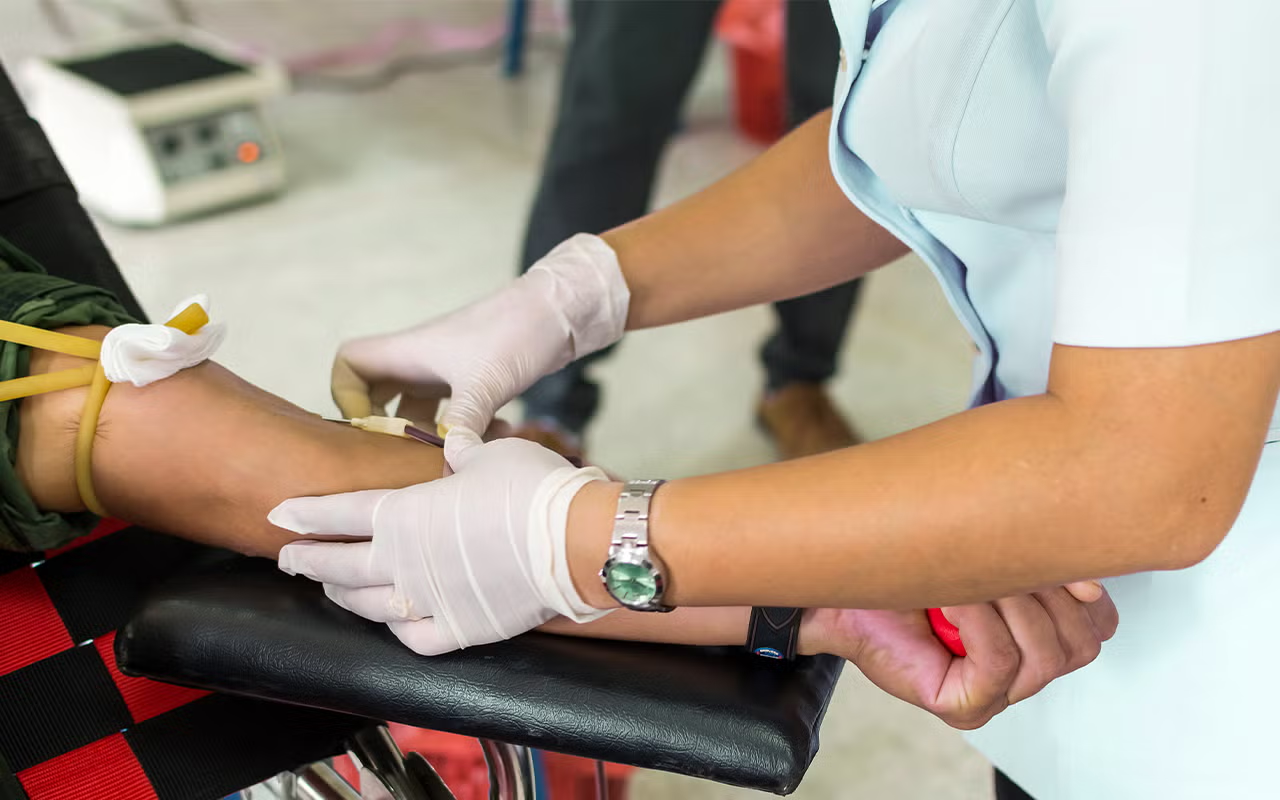
Wondering what’s involved in the plasma donation process? It’s worth knowing that it’s generally straightforward and well-organized. Donors typically begin by making an appointment, which makes everything much easier. Once they arrive at the donation center, several steps unfold:
- Registration: Upon getting there, donors provide personal details and undergo a preliminary screening to ensure their suitability for donation.
- Health Screening: A brief health assessment takes place to check blood pressure, hemoglobin levels, and overall well-being.
- Donation: Once cleared, donors relax in a comfortable setting. The actual donation usually lasts between 45 and 90 minutes, varying based on individual circumstances and clinic practices.
- Recovery: After donating, individuals can enjoy refreshments and are advised to rest a bit to ensure they feel well before heading out.
Understanding the process at each stage can help potential donors feel more at ease. It’s a systematic approach designed with the donor’s comfort and safety in mind.
Safety and Comfort: Prioritizing Donors Every Step of the Way
Safety is paramount in plasma donation. Clinics consistently emphasize the health of donors throughout every phase of their experience. For anyone who might feel nervous, it’s comforting to know that rigorous health and safety standards are upheld. Experienced staff keep a close eye on donors, ensuring a smooth and pleasant experience.
Comfort is critical. From the welcoming atmosphere to the attentive care throughout the donation process, donors can expect a high level of professionalism and empathy. The use of sterile equipment, combined with a focus on donor health, creates a space of trust. Many donors leave not only with a sense of accomplishment but also with positive memories of their time spent supporting the health of others.
“Your safety and comfort come first – trust us.”
Personal Rewards: Benefits Beyond the Donation
Compensation and Incentives: Why Donating Plasma Pays Off
Let’s be honest—donating plasma isn’t just a generous act; it offers tangible benefits too. Many centers provide compensation for the time and effort involved, transforming this altruistic act into a mutually beneficial situation. For numerous individuals, this financial incentive serves as an encouraging factor, making plasma donation a pragmatic choice.
On top of compensation, the amounts can vary, often based on how often someone donates. Enhanced rewards are designed to motivate regular donors to keep contributing. For those who commit to ongoing participation, these earnings can accumulate significantly, becoming a source of additional income that can be quite advantageous.
Furthermore, donating plasma instills a sense of achievement. Knowing each donation brings hope and health to someone in need fosters a deep sense of purpose. It’s not solely about money; it’s about joining a larger mission that benefits others.
Creating Connections: Building Community Through Plasma Donation
Plasma donation opens doors for forging lasting relationships within the community. Each donation not only links donors and recipients but also strives to build a network of individuals dedicated to enhancing health standards in their area. Clinics frequently host gatherings, events, and awareness campaigns to celebrate and recognize the invaluable contributions made by plasma donors.
For many, these interactions ignite friendships and a shared community spirit. Donors meet people from various backgrounds, each with their own unique storytelling concerning health experiences. Supporting one another enriches the atmosphere with empathy and understanding.
- Networking opportunities flourish through community events.
- Encouragement and motivation thrive in the social environment fostered by donors.
- Shared stories inspire others to consider jumping in.
The communal nature of plasma donation is vital. It’s about cultivating a supportive setting that champions health and wellness for everyone involved.
Making a Lasting Impact: How Plasma Donation Saves Lives
Addressing Plasma Shortages: Your Role in Life-Saving Treatments
Plasma supplies can fluctuate, which affects treatment availability. When local donation centers find it challenging to secure adequate plasma, the negative impact on patients is undeniable. This calls for urgent action—encouraging individuals to step up and donate. Volunteers play a key role in remedying inventory shortages, ensuring that the demand for medicine is met.
To put it simply, every donation matters. Plasma collected at donation centers is often sent to various treatment facilities, where it’s crucial in developing therapies for rare conditions. Donors unite to make a tangible difference in clinical trials while advancing treatment protocols. Each time someone decides to donate, they actively combat a pressing healthcare issue.
“Every donation can be the difference between life and death.”
Research and Innovation: Plasma’s Role in Advancing Medicine
The contributions of plasma to medical research are transformative. Plasma derivatives are regularly explored for new therapies, including personalized medicine. This field holds immense promise for treating conditions that currently lack effective options. Researchers are diligently investigating plasma components to uncover cures and improve health outcomes.
Through their donations, individuals are producing essential cells that drive the future of medical treatments forward. This endeavor extends beyond immediate health benefits—it’s about reshaping the future of medicine for generations. Donors understand that they are not merely providing a physical substance but are actively engaged in a life-altering journey for countless individuals.
The effects of donating plasma ripple through the community, influencing local health systems, personal relationships, and the medical advancements that serve society at large. Advocating for plasma donations remains crucial in ensuring that vital treatments are perpetually accessible. Whether for local or broader benefits, donating plasma in Glassboro undeniably nurtures a legacy of altruism and health progression.
FAQ
What are the eligibility requirements for donating plasma?
Typically, eligibility requirements include being at least 18 years old, weighing a minimum of 110 pounds, and passing health screenings. While specific criteria may vary by donation center, generally, those with health conditions or certain medications may need additional assessment.
How often can an individual donate plasma?
The frequency for plasma donations generally ranges from every 28 days to up to twice a week, depending on local regulations and individual health conditions. Each donation center can provide specific guidelines regarding the safe donation frequency.
What types of medical conditions are treated with plasma derivatives?
Various medical conditions benefit from plasma therapies, including immunodeficiencies, liver diseases, and clotting disorders. Conditions such as hemophilia and a range of autoimmune diseases significantly rely on plasma-derived treatments for symptom management and improved quality of life.
Are there specific foods or behaviors that can enhance donation experience?
Prior to donating, individuals are encouraged to stay hydrated and consume a nutritious meal rich in protein and iron. Steering clear of fatty foods contributes to optimal donation quality while minimizing potential adverse reactions during the process.
Do plasma donation centers provide training or support for first-time donors?
Absolutely. Many donation centers offer resources and staff support tailored for first-time donors. This service includes detailed process explanations, reassurance, and guidance to ensure a comfortable donation experience.
How do plasma donations contribute to medical research?
Plasma donations are critical to ongoing research, as they supply essential materials needed for studying diseases and developing new therapies. Researchers utilize plasma components to uncover innovative treatment solutions and enhance existing medical practices, ultimately benefiting patients worldwide.
Can plasma donation lead to long-term health benefits for donors?
Donating plasma may lead to various potential health benefits for donors, such as improved cardiovascular health and enhanced immune function. Engaging in regular donation can also foster a sense of fulfillment and community involvement, which positively contributes to mental well-being.
How can someone become more involved in community plasma donation initiatives?
Individuals can participate in local plasma donation initiatives by volunteering at centers, joining community events, or spreading awareness through social media channels. Many clinics actively welcome collaboration from community members to boost outreach and inspire more people to consider donating.