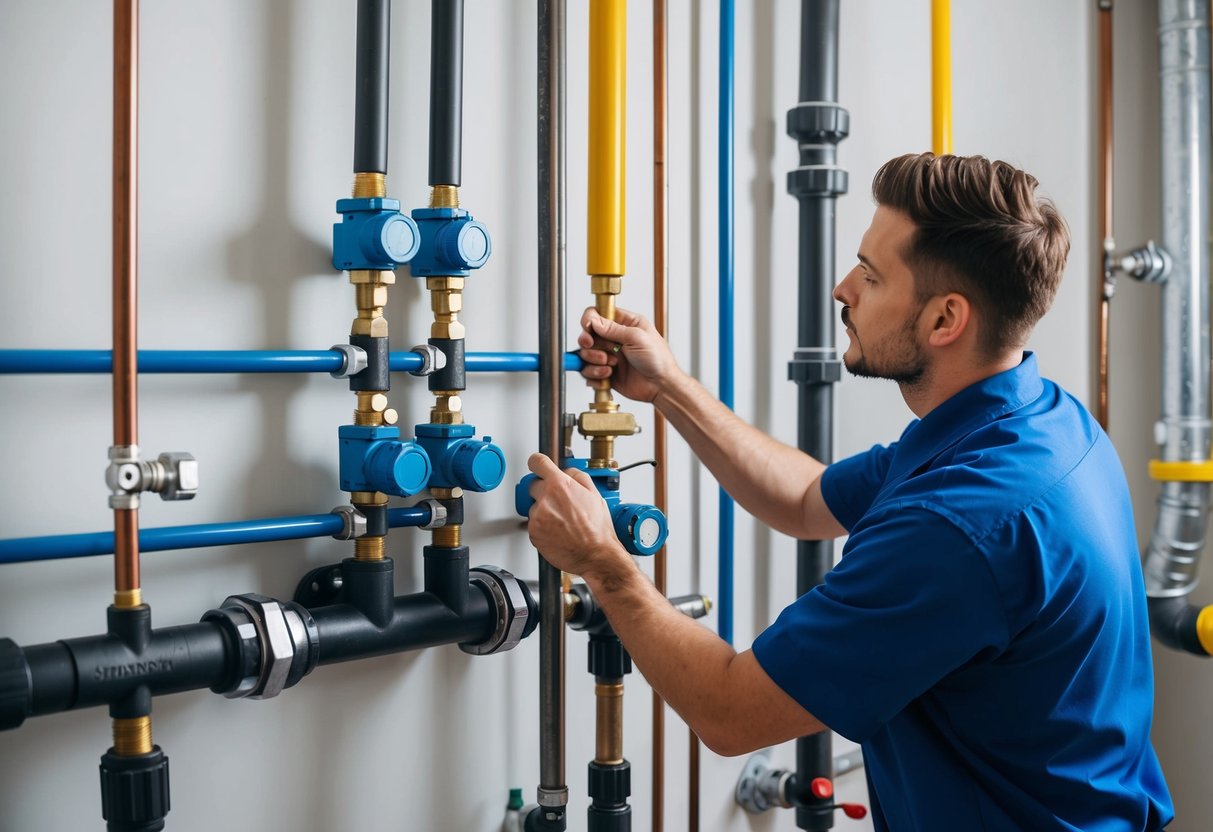


Maintaining the plumbing system of any commercial building is not just about daily functionality, it’s essential for long-term cost savings and operational stability. Failing to support routine maintenance or to implement precautionary measures can lead to expensive repairs, significant downtime, and disruption to business activities. Proactive solutions such as regular inspections, staff training, and the use of high-grade materials are central to keeping plumbing systems in top shape for years to come. For businesses seeking expert help, reliable commercial plumbing services play a key role in safeguarding facilities from preventable issues.
Staying ahead of plumbing issues isn’t just about fixing problems as they occur; it’s about establishing a comprehensive approach to system care. By emphasizing education, periodic assessments, and regulatory compliance, building managers can ensure smooth day-to-day operations and fewer costly surprises. Investing in these preventive measures often translates to healthier plumbing infrastructure, reduced emergency expenses, and a safer workplace environment. Addressing minor issues promptly can prevent them from escalating into major disruptions that may affect customers, tenants, or employees.
Many commercial property owners also manage or own residential spaces. For those seeking a comprehensive approach or facing unique home-system challenges, residential plumbing services are a reliable resource for maintaining plumbing systems of all types and ensuring consistent water flow, efficiency, and safety across properties.
Regular Inspections and Maintenance
Commercial plumbing systems are subjected to heavy use, leading to faster wear and tear than residential systems. Scheduling regular inspections is crucial for early detection of hidden leaks, corrosion, blockages, or compromised valves. A thorough annual inspection performed by a certified commercial plumber can prevent small issues from snowballing into full-system failures. Preventive plumbing maintenance can save businesses substantial amounts by avoiding costly emergency repairs and minimizing the risk of property damage from leaks and water bursts. For a comprehensive checklist, consider using a commercial maintenance checklist template.
Alongside professional assessments, business owners should implement a routine checklist for visual inspections and prompt reporting by janitorial or maintenance staff. Drains, faucets, exposed pipes, and water heaters should receive special attention, as early intervention has been proven to reduce costs and prevent severe structural damage.
Educating Staff on Proper Use
Human error is a frequent cause of commercial plumbing problems. When staff are not informed about what materials are safe to dispose of in sinks and toilets, they might unintentionally create clogs or other issues. Ongoing education on proper plumbing practices, toilet and sink use, and the do’s and don’ts of disposal can go a long way toward prevention. Hosting periodic training sessions or installing clear signage in bathrooms and break rooms can drastically reduce the risk of blockages and misuse-related damage. Simple education and engagement can prolong plumbing lifespans and reduce operational costs.
Investing in Quality Fixtures and Materials
Commercial plumbing systems endure high-frequency, often harsh use, making robust fixtures a necessity. While it may be tempting to cut costs with basic materials, investing in commercial-grade components ensures longer-lasting, more efficient performance. Features such as sensor-operated faucets and hands-free flush valves help reduce wear and improve hygiene, further lowering maintenance requirements. Quality pipes, durable joint fittings, and reliable water heaters can spare businesses frequent disruptions and unplanned expenditures.
Many reputable service professionals stress that high-quality materials are a long-term investment: enhanced durability means fewer breakdowns and smoother operations over time. Making wise choices at the installation or remodeling stage will pay dividends for years to come.
Monitoring Water Pressure and Addressing Leaks
Unregulated water pressure can quickly become a silent, destructive force in a commercial plumbing system. Excess pressure increases stress on pipes and fixtures, leading to leaks, bursts, and premature aging. Periodic pressure checks and installation of regulators where necessary are prudent defensive moves. Additionally, even small leaks should be addressed immediately to prevent water waste, structural decay, and mold or mildew growth. Small drips or drops may seem minor, but over weeks or months, they can create substantial damage and drive up utility costs.
Prompt leak repairs can save thousands of dollars in water loss and subsequent damage. For businesses, smart monitoring tools and digital leak detection systems can help spot problems before they escalate.
Ensuring Compliance with Local Regulations
Commercial buildings are subject to a range of local plumbing codes and regulations, and compliance is non-negotiable for legal and safety reasons. Staying up to date with ordinances, required permits, and inspection schedules is essential for avoiding fines and legal complications. Regular system updates, code reviews, and collaboration with licensed professionals ensure plumbing work is consistently up to standard.
Beyond the risk of penalties, non-compliance can lead to forced shutdowns or denied insurance claims. Reliable commercial plumbers stay informed about changing requirements, offering peace of mind and continued business operations. For guidance on current standards and best practices, the U.S. Environmental Protection Agency (EPA) provides helpful resources on safe, compliant plumbing for commercial properties.
By prioritizing inspections, staff education, quality investments, timely leak repairs, and diligent compliance, commercial property managers can prevent most plumbing crises. These best practices not only protect infrastructure but also support a cost-effective, uninterrupted business environment for everyone involved.
Conclusion
Effective commercial plumbing management is rooted in prevention, consistency, and informed decision-making. By combining routine inspections, knowledgeable staff, durable fixtures, and vigilant leak control, businesses can significantly lower the risk of costly emergencies and disruptions. Prioritizing regulatory compliance further ensures that operations remain safe, reliable, and legally protected.
Whether overseeing a single business property or multiple facilities, commercial or residential, investing in proactive plumbing care keeps systems functioning efficiently and supports a healthier, more productive environment. When backed by trusted commercial and residential plumbing services, these strategies ultimately preserve property value, improve sustainability, and contribute to long-term success for building owners and tenants alike.